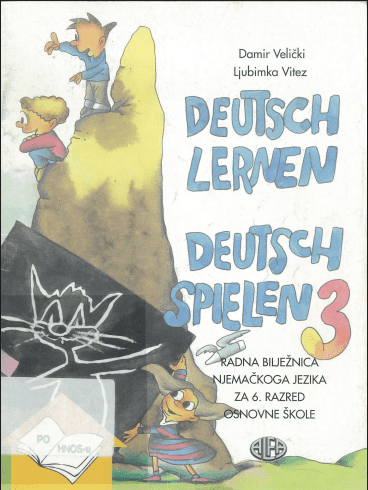
About This Book
A game-based German workbook can change the atmosphere of language practice by making participation part of the task. Deutsch lernen Deutsch Spielen 3 Arbeitsbuch is identified as the third workbook in a sequence built around learning and playing in German. The pairing of these ideas is meaningful: play gives a young learner a reason to engage, while the workbook format gives that engagement a place in structured practice. The number three distinguishes this particular volume from earlier entries in the same sequence. Anyone choosing a book from the series should pay attention to that numbering when matching a resource to the materials already in use. Its central appeal lies in the connection between active participation and German-language learning.
What Learners Will Practise
Engaging with German Through Play
When a language activity feels playful, children may be more willing to try an unfamiliar word or expression. The Deutsch spielen concept makes that relationship between motivation and practice especially relevant. A useful way to approach game-based work is to let the learner focus on taking part while still noticing the German language involved. This keeps the linguistic purpose connected to the enjoyment of the activity.
Using a German Workbook Actively
An Arbeitsbuch is designed around the learner doing something with the material. That active role is an important difference from simply listening to an explanation. Children can be encouraged to attempt the work themselves, with support when needed, and to explain what they understood. The process of making an attempt and then discussing it can help adults see how the learner is responding to German.
Returning to Familiar Language in New Attempts
Playful learning often becomes more comfortable when a child recognises something from an earlier experience. Repeated encounters with German can build familiarity, particularly when the child is interested in participating again. Instead of treating a completed activity as the end of practice, invite the learner to recall a word or idea associated with it. Such short returns can keep attention on the language without making the experience overly formal.
Key Features
The title identifies three defining characteristics: this is an Arbeitsbuch, it is volume 3 of the Deutsch lernen – Deutsch spielen sequence, and its learning approach is linked to games and play. These details distinguish the resource from a general German reference book. The numbered workbook format also makes the title easy to identify when collecting or organising materials from the same sequence. For readers seeking playful German practice, those features are directly relevant to choosing the right kind of resource.
Who This Book Is For
Young German learners are the natural audience for a workbook based on play. Parents who want to make language practice more inviting may find the concept appealing, while educators can consider how game-oriented material fits into a wider learning setting. The book may also interest anyone assembling resources from the Deutsch lernen – Deutsch spielen series. A child who prefers taking part in activities to passively receiving information is particularly likely to appreciate the approach signalled by the title.
How to Use This Book
Introduce the workbook as an opportunity to explore German through participation. Allow time for the learner to engage with an activity before offering help, and pay attention to which words or ideas attract interest. Afterwards, a short conversation about the German encountered can connect the playful moment with language awareness. If using other volumes from the same sequence, check the numbering to keep the materials organised. The most useful pace is one that allows the young learner to stay involved rather than simply move through pages.
Related Books
Readers exploring similar learning approaches can see Deutsch lernen Deutsch Spielen 2 Arbeitsbuch and Deutsch Lernen Mit Spielen Und Rätseln.